

Vitamin K Deficiency: Symptoms, Causes, Bleeding Risks & Treatment
Bruising Easily or Bleeding Longer Than Usual? Your Body May Be Missing a Vitamin Essential for Blood Clotting.
Maybe you keep finding bruises you can’t explain, or a small cut seems to bleed forever. Those moments are easy to brush off, but sometimes they point to low vitamin K. Vitamin K deficiency is uncommon in healthy adults, yet when it happens, your blood can lose some of its ability to form clots. At Preferred Primary Care in Bedford, TX, we want you to know what to watch for and when to get checked.
Below, you’ll learn what vitamin K does, how deficiency shows up, who is most at risk, how it’s diagnosed and treated, and which signs mean you should get care right away.
What Is Vitamin K and Why Does Your Body Need It?
Vitamin K is a fat-soluble vitamin, which means your body absorbs it along with dietary fat. It’s often called the “clotting vitamin” because your liver needs it to make the proteins that stop bleeding. There are two main forms:
- Vitamin K1 (phylloquinone): found mostly in leafy green vegetables.
- Vitamin K2 (menaquinones): found in fermented foods and animal products. Gut bacteria make some, too.
Vitamin K also supports bone health, though the NIH notes more research is needed on whether supplements protect bones (NIH Office of Dietary Supplements). The NIH lists an adequate daily intake of 90 mcg for adult women and 120 mcg for adult men (NIH).
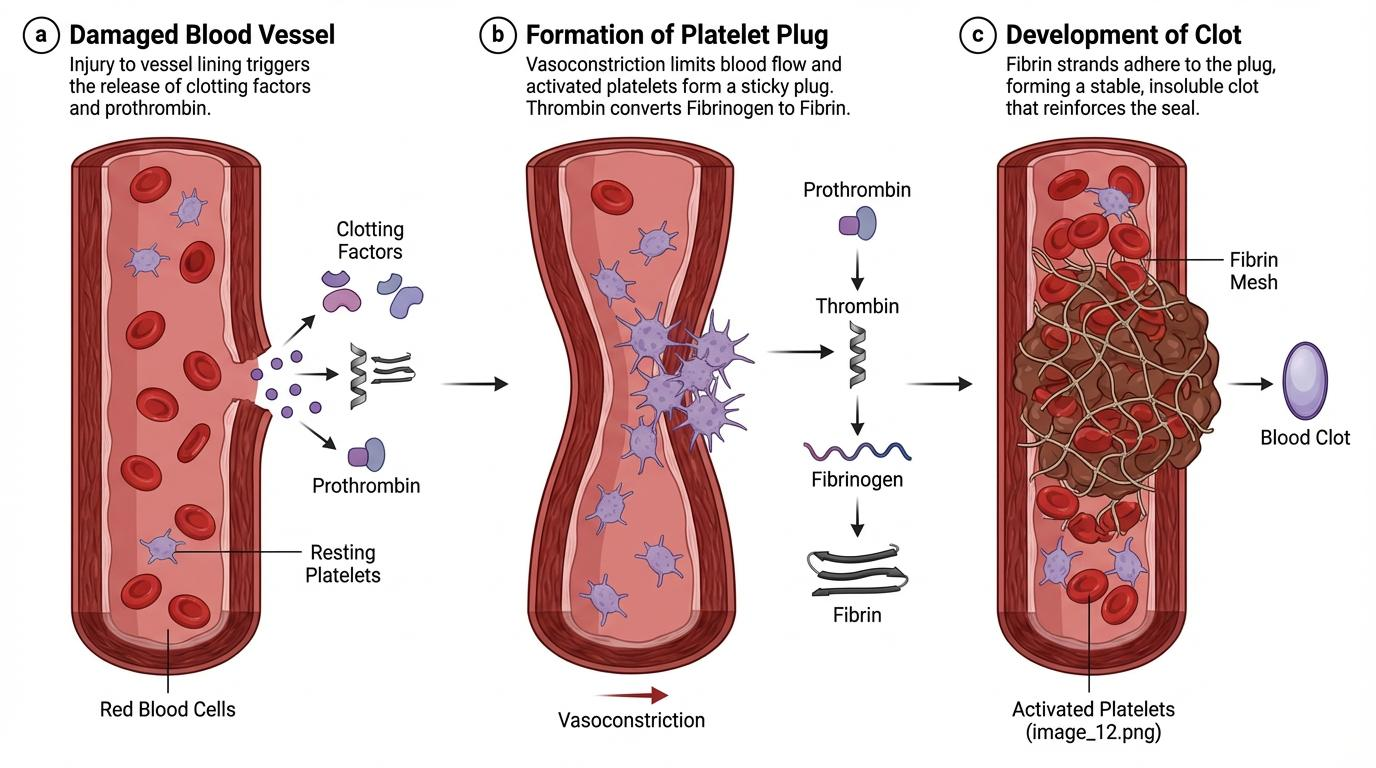
Think of vitamin K as a switch for your clotting proteins. Your liver makes those proteins, but several of them stay inactive until vitamin K turns them on. That’s why a steady supply matters, even though your body doesn’t need large amounts.
What Happens When You Have Vitamin K Deficiency?
Without enough vitamin K, your liver can’t make normal amounts of clotting proteins such as prothrombin. Blood then takes longer to clot, and bruising and bleeding become more likely. A significant deficiency can raise the risk of serious bleeding.
The good news is that the NIH calls vitamin K deficiency very rare, and most people in the U.S. get enough from food. It usually appears only under certain medical circumstances, which we cover below.
Clotting works a bit like a relay race. When you get a cut, one clotting protein hands off to the next until a plug forms and the bleeding stops. If vitamin K is low, some of those runners are slow or missing, so the plug forms late or isn’t as firm. That’s why early signs are often subtle, like a bruise from a small bump, and why severe cases can lead to more serious bleeding.
Common Symptoms of Vitamin K Deficiency
Symptoms come from blood that doesn’t clot as well as it should. You might notice:
- Easy bruising
- Frequent nosebleeds
- Bleeding gums
- Heavy or prolonged bleeding from minor cuts
- Heavy menstrual bleeding
- Blood in urine or stool
- Dark, tarry stools
- Internal bleeding in severe cases
Look for patterns rather than single events. One bruise after bumping a table is normal. Large bruises that appear with little or no injury, nosebleeds that are hard to stop, or gums that bleed without much brushing are different. Blood in the stool can look black and sticky, which is why it’s called tarry, and it deserves prompt attention.
These symptoms have many other causes, so they don’t automatically mean you have a deficiency. Only a healthcare professional can sort that out.
Why Busy Professionals and Families Shouldn’t Ignore Unusual Bleeding Symptoms
When work deadlines, school pickups, and family schedules fill your calendar, a few extra bruises or an occasional nosebleed can slide down the priority list. Appointments get postponed, and symptoms that keep coming back start to feel normal.
If something has been happening repeatedly, it’s worth bringing up sooner rather than later. A routine visit and appropriate laboratory testing can help find out what’s behind unexplained symptoms. If your schedule is packed, corporate and professional primary care is one way to make a check-in easier to fit in.
A few small steps can make your visit more productive:
- Keep a simple log. Note when bruises or nosebleeds happen, how long bleeding lasts, and whether you bumped anything.
- Make a medication list. Include prescriptions, over-the-counter products, and supplements, since some affect clotting.
- Mention digestive or liver issues, even if they seem unrelated.
- Share family patterns. Easy bruising or heavy bleeding that runs in your family can be useful for your provider to know.
For parents, the same rule applies to your kids. Unexplained bruising or bleeding in a child is worth a call to your pediatrician, and a newborn with any unusual bleeding needs medical attention right away.
What Causes Vitamin K Deficiency?
Because vitamin K is fat-soluble, anything that disrupts fat absorption can lower your levels. Common causes include:
- Fat absorption problems, such as celiac disease or Crohn’s disease.
- Liver or bile conditions, since bile helps you absorb fat and your liver uses vitamin K.
- Long-term antibiotics, which can reduce the gut bacteria that make vitamin K (MedlinePlus).
- Certain medications, including cholesterol-lowering bile acid sequestrants, which can interfere with absorption, and warfarin, which works by blocking vitamin K’s effects (NIH).
- Poor intake or very restricted diets, especially when combined with another risk factor.
A healthy diet isn’t always the whole story. Your gut has to absorb vitamin K, and your liver has to put it to work. If either step is disrupted, levels can fall even when you eat plenty of greens. If you’ve been prescribed antibiotics, take them as directed. They remain important treatment, and vitamin K problems linked to them are mainly a concern with long-term use.
Who Is at Higher Risk?
Most healthy adults aren’t at risk. Higher risk applies to:
- Newborn babies
- People with digestive or malabsorption disorders, including those who’ve had bariatric surgery
- People with liver or biliary conditions
- People with prolonged antibiotic exposure
- People with other nutritional deficiencies
Vitamin K Deficiency Bleeding (VKDB) in Newborns
Babies are born with very little vitamin K, and breast milk provides only small amounts. Vitamin K deficiency bleeding (VKDB) happens when a baby can’t clot well enough to stop bleeding, and it can occur anywhere in the body. The CDC says late VKDB affects roughly 1 in 14,000 to 1 in 25,000 infants, and babies who don’t get a vitamin K shot at birth are 81 times more likely to develop it. About half of infants with late VKDB have bleeding in the brain, which can cause permanent damage, and there are often no warning signs beforehand.
The good news is that VKDB is preventable. A single vitamin K shot in the thigh muscle soon after birth protects babies, and the CDC says it can be delayed up to six hours for early bonding. Talk with your OB or your baby’s pediatrician before delivery about the newborn vitamin K shot.

Late VKDB typically appears two to eight weeks after birth, most often in babies who are only breastfed, and it can strike without warning (HealthDay). When warning signs do appear, they can include a bulging soft spot on the head, unexplained bruising, nosebleeds, yellow or pale skin, and fussiness or trouble feeding. Call your pediatrician or seek emergency care right away if you notice any of these.
You may have heard that fewer parents are choosing the shot. HealthDay, reporting on new research, notes that the share of newborns who received it fell from 98% to 95% between 2017 and 2025. The shot isn’t a vaccine, and it has been used routinely since 1961.
How Is Vitamin K Deficiency Diagnosed?
Diagnosis starts with a conversation, and no single test confirms every case. Your provider will usually:
- Review your symptoms and medical history
- Review your medications and supplements
- Order prothrombin time (PT) and INR tests, which measure how long your blood takes to clot
- Order other lab tests when clinically appropriate
If results suggest a problem, your provider may also look for an underlying cause, such as an absorption or liver issue.
PT measures how many seconds your blood takes to clot. INR is a standardized version of that result so numbers can be compared between labs. A longer-than-expected clotting time can point toward low vitamin K, but it can also come from liver disease, blood-thinning medicine, and other causes. That’s why your provider looks at the whole picture, not one number, and may repeat testing after treatment begins to see how your body responds.
Treatment and Recovery
Treatment depends on the cause and how severe the deficiency is. Your provider may recommend:
- Dietary changes when low intake is part of the picture.
- Vitamin K supplementation, only when a healthcare professional recommends it.
- Treatment of underlying conditions that affect absorption.
- Monitoring if medication interactions are involved.
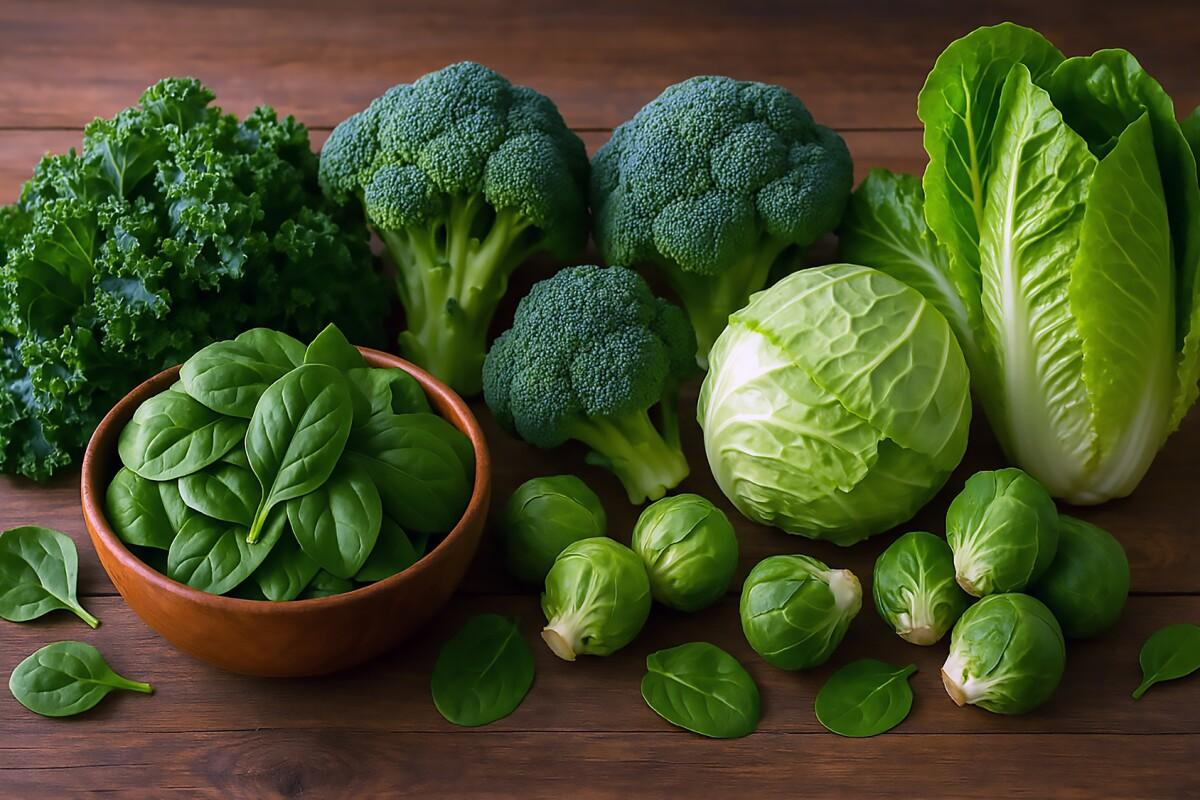
Vitamin K-rich foods include spinach, kale, broccoli, cabbage, and other leafy greens. If you’d like help building meals around your needs, dietary counseling and wellness exams are good places to start.
If you take warfarin (Coumadin), don’t change your vitamin K intake or start supplements on your own. The NIH advises keeping your intake about the same each day because too much or too little can change how the medication works (NIH).
Recovery depends on why your levels dropped. If low intake was the main issue, steady changes in what you eat may be enough. If an absorption or liver condition is involved, managing it is a key part of getting back on track, and your provider may recheck your clotting tests along the way. Because vitamin K is fat-soluble, enjoying leafy greens with a little healthy fat, like olive oil, can help your body absorb it. And never stop or adjust a prescribed medication on your own because of vitamin K.
When Should You Seek Medical Attention?
Schedule a visit through a healthcare consultation if you have unexplained bruising, recurring nosebleeds, bleeding gums, or cuts that bleed longer than expected.
Get urgent care or call 911 for:
- Bleeding that won’t stop
- Vomiting blood
- Black or tarry stools
- Blood in your urine
- Severe headache after an injury
- Signs of major internal bleeding, such as sudden weakness, dizziness, or fainting
Please don’t try to diagnose or treat serious bleeding at home.
If you’re unsure whether something is urgent, it’s okay to call a healthcare provider and ask. When bleeding is heavy, sudden, or comes with dizziness or weakness, don’t wait.
FAQs
Can you get vitamin K deficiency from diet alone?
It’s uncommon. Most people get enough from food, so deficiency usually involves another factor, like an absorption problem or certain medications.
Long-term restricted eating, digestive disease, or bariatric surgery can each make it harder to get or absorb enough.
Does easy bruising mean I have vitamin K deficiency?
Not necessarily. Bruising has many causes, including medications and other health conditions. A provider can help figure out the reason.
Look for other signs, like nosebleeds, bleeding gums, or bleeding that’s slow to stop, and share your full medication list.
Should I take a vitamin K supplement on my own?
Check with a healthcare professional first. This matters most if you take warfarin or another medication that interacts with vitamin K.
Some multivitamins already contain vitamin K, so a provider or pharmacist can help you avoid doubling up.
Why do newborns get a vitamin K shot?
Babies are born with low vitamin K stores, and breast milk contains little. The shot helps prevent VKDB, which can cause serious bleeding.
Talk with your OB or pediatrician before delivery so you have time to ask questions.
Can vitamin K deficiency affect your bones?
The NIH says severe deficiency might reduce bone strength, but more research is needed on whether supplements improve bone health.
Vitamin K is one of several nutrients involved in bone health, so a balanced diet matters.
Book an Urgent Consultation
Need immediate medical attention? Our team is ready to assist you quickly and efficiently. Schedule your urgent consultation now and get the care you need without delay.