

Norovirus vs. Food Poisoning: Symptoms, Differences and Recovery
Have you ever woken up with a churning stomach, run to the bathroom, and then wondered, “Was it something I ate, or did I catch something?” If so, you are in good company. Vomiting and diarrhea are miserable, and it is natural to want a clear answer about what is causing them. You do not have to guess, and you do not have to wait until you feel worse. If your symptoms are worrying you, book an appointment with Preferred Primary Care in Bedford, TX. A short visit can give you answers, safe relief, and peace of mind, and it is much easier to treat dehydration early than to recover from it later.
Two of the most common explanations are norovirus and food poisoning. People often use the two terms as if they mean the same thing, and that is where the confusion starts. Let’s make this easier to understand, so you know what may be happening in your body, what you can do at home, and when it is time to call a doctor.
What Exactly Is Norovirus?
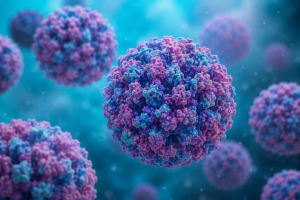
Norovirus is a very contagious virus that infects your stomach and intestines. Doctors call this inflammation “gastroenteritis,” which simply means your digestive tract is irritated and inflamed. That irritation is what leads to vomiting, diarrhea, nausea, and stomach cramps.
You may have heard norovirus called the “stomach flu.” The nickname is understandable, but it is a little misleading. Norovirus has nothing to do with the influenza virus that causes the seasonal flu. It only affects your digestive system. One reason norovirus spreads so easily is that it takes a very small amount of the virus to make you sick. That is why a single case can sweep through a household, a classroom, or an office in a matter of days.
What Is Food Poisoning?
Here is where things get a little confusing. Norovirus is one specific germ. Food poisoning, on the other hand, is a broader term. It describes illness caused by eating or drinking something contaminated. The culprit could be a virus, a bacterium, a parasite, or a toxin that bacteria leave behind in food. Some of the more familiar causes include Salmonella, E. coli, Campylobacter, Listeria, and Staphylococcus aureus. And yes, norovirus is one of the leading causes of food poisoning in the United States. So, the short answer to a question many patients ask is this: norovirus can be a cause of food poisoning, but not all food poisoning is norovirus. Think of food poisoning as the umbrella, and norovirus as one of the things that can sit underneath it.How Did I Get It?
You might be wondering how you picked this up in the first place. With norovirus, there are several ways it can reach you:- Close contact with an infected person. This includes caring for someone who is sick, sharing food or utensils, or being near someone who is vomiting.
- Contaminated food. Food can become contaminated when an infected person handles it, or when it is grown or harvested in contaminated conditions. Raw or undercooked shellfish, leafy greens, and fresh fruit are common examples.
- Contaminated water. Drinking water or ice that has been contaminated can carry the virus.
- Contaminated surfaces. Touching a doorknob, countertop, or phone that has the virus on it, and then touching your mouth, can be enough.
How Quickly Do Symptoms Start?
Timing can offer a helpful clue, although it cannot give you a firm answer on its own. With norovirus, symptoms usually begin about 12 to 48 hours after you are exposed. The illness typically lasts one to three days. With food poisoning in general, the timing varies a lot depending on the germ. Some toxins can make you sick within a few hours of a meal. Other bacteria may take a day or several days to cause symptoms. A few can take even longer. The important thing to remember is that the clock helps point you in a direction, but it does not confirm the cause.What Symptoms Should You Look For?
If you are experiencing these symptoms, you may recognize them from both conditions:- Nausea and vomiting
- Watery diarrhea
- Stomach pain or cramping
- Low-grade fever
- Headache and body aches
- Feeling tired and weak
Norovirus vs. Food Poisoning: A Side-by-Side Look
Now, let’s look at the difference. This table can help you see how the two compare at a glance.| Norovirus | Food Poisoning (general) | |
|---|---|---|
| What it is | One specific virus | A broad term for illness from contaminated food or drink |
| Common causes | Norovirus only | Viruses (including norovirus), bacteria, parasites, toxins |
| How it spreads | Infected people, contaminated food, water, and surfaces | Mainly contaminated food or drink; some causes also spread person to person |
| Typical start of symptoms | About 12 to 48 hours after exposure | A few hours to several days, depending on the germ |
| Typical duration | Usually 1 to 3 days | Varies; can be a day or two, or longer |
| Main symptoms | Vomiting, watery diarrhea, nausea, cramps | Similar, sometimes with fever or bloody diarrhea |
| Likely to spread to family? | Yes, very easily | Depends on the cause |
| Do antibiotics help? | No | Only in certain bacterial cases, as decided by a doctor |
When Stomach Illness Disrupts Your Work and Family Routine
Let’s be honest: most of us do not have the luxury of lying in bed for three days. If you are a professional with a packed calendar, a parent keeping a household running, or someone who feels you simply cannot take time off, a stomach illness can feel like a crisis. Here is the reassuring part. Resting and staying hydrated really is the fastest way back to normal. Pushing through can prolong the illness, and it can also put the people around you at risk. There are a few things worth keeping in mind:- Rest and hydrate first. Your body is losing fluids quickly, and it needs time to catch up.
- Do not prepare food for others while you are sick. Norovirus can pass from your hands into food. This is especially important if you cook for your family or work around food.
- Think about your coworkers. Heading back to the office too early is one of the easiest ways to spread norovirus through a workplace.
- Protect your family. Wash your hands often and keep surfaces clean, particularly in the bathroom and kitchen.
What Should You Do at Home?
There is no medicine that cures norovirus, and antibiotics do not work against it because it is a virus, not a bacterium. Treatment is about supporting your body while it fights the infection.Stay hydrated
Vomiting and diarrhea cause you to lose water and important minerals called electrolytes. Dehydration is the biggest risk with both norovirus and food poisoning, so fluids come first.- Take small, frequent sips instead of gulping a large amount at once.
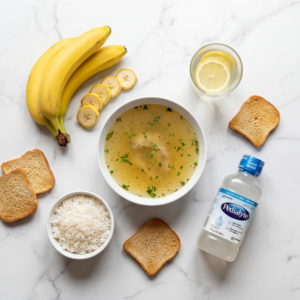
- Oral rehydration solutions are designed to replace both fluids and electrolytes, and they can be especially helpful for children and older adults.
- Water, clear broths, and ice chips can also help.
- It is best to go easy on very sugary drinks, which can sometimes make diarrhea worse.
Eat gently as you recover
You do not need to force food while you are nauseated. Once you feel ready, start with foods that are easy on your stomach, such as bananas, rice, plain toast, crackers, oatmeal, or plain potatoes. As you feel better, you can return to your regular diet. Greasy, spicy, or heavily seasoned foods may be harder to tolerate for a few days, and some people find that alcohol and caffeine bother their stomach too. If you are unsure what to eat as your appetite returns, or you have a digestive condition or food sensitivities that make recovery trickier, dietary counseling can help you build an eating plan that works for your body.
Be careful with anti-diarrhea medicine
Over-the-counter anti-diarrheal products may seem tempting, but they are not right for everyone. They should generally be avoided if you have a fever or bloody stools, and they are usually not recommended for young children. It is a good idea to check with a healthcare professional first.
How Long Are You Contagious?
This is one of the most common questions patients ask, especially parents. With norovirus, you are most contagious while you have symptoms and during the first few days after you recover. The virus can remain in your stool for two weeks or longer, so careful hygiene matters even after you feel fine.
A practical guideline is to stay home until at least 48 hours after your vomiting and diarrhea have stopped. If you work with food, in healthcare, or in child care, this is especially important.
How Can You Protect Your Family and Coworkers?
Here is what actually works:
- Wash your hands with soap and water. Scrub for at least 20 seconds, especially after using the bathroom or changing a diaper, and before eating or preparing food.
- Do not rely on hand sanitizer alone. Alcohol-based sanitizers do not work well against norovirus. They can be a backup when soap and water are not available, but they are not a substitute.
- Clean surfaces the right way. Wear gloves, wipe up any vomit or stool with disposable towels, and then disinfect with a chlorine bleach solution or another disinfectant labeled as effective against norovirus. Follow the product directions carefully.
- Wash contaminated laundry promptly. Use the hottest water setting that is safe for the fabric, and dry on high heat.
- Handle food safely. Rinse fruits and vegetables well, and cook shellfish thoroughly.
Right now, there is no vaccine to prevent norovirus, which makes these everyday habits your best protection.
When Should You Call a Doctor?
Most healthy adults recover from norovirus at home. But it is important to know when to get help, and we never want you to feel like you are overreacting.
Signs of dehydration
- Decreased urination or very dark urine
- A dry mouth and throat
- Dizziness or lightheadedness when you stand
- Extreme weakness
- In children: crying with few or no tears, unusual sleepiness, or fussiness
Reach out to a healthcare provider if you have:
- Vomiting that prevents you from keeping fluids down
- Diarrhea that lasts more than a few days
- Blood in your vomit or stool
- A high fever (above 102°F)
- Severe or worsening stomach pain
Seek emergency care right away if you feel confused, faint, have a rapid heartbeat, or cannot keep any fluids down and are becoming very weak.
Who needs extra caution?
Some people become dehydrated more quickly or have a harder time recovering, so they should seek medical advice earlier:
- Babies and young children
- Older adults
- Pregnant individuals
- People with weakened immune systems or ongoing conditions such as diabetes, kidney disease, or heart disease
If you are unsure, it is always reasonable to call. A quick conversation can help you decide whether home care is enough. You can also use our Healthcare Consultation service to talk through your symptoms, and our guide on questions to ask during your doctor visit can help you make the most of your appointment. If you are pregnant and have ongoing vomiting or diarrhea, our Women’s Health team can help. And if you live with a chronic condition, regular wellness exams help you and your provider stay ahead of risks like dehydration before an illness hits.
Key Takeaways
- Norovirus is one specific virus. Food poisoning is a broader term that includes many possible causes, and norovirus is one of them.
- Symptoms overlap, so timing and who else is sick can offer clues, but they cannot confirm the cause.
- Norovirus symptoms usually start 12 to 48 hours after exposure and last about one to three days.
- Antibiotics do not treat norovirus. Fluids and rest are the foundation of recovery.
- Wash your hands with soap and water. Hand sanitizer alone is not enough.
- Stay home until at least 48 hours after symptoms stop, and avoid preparing food for others.
- Seek medical care for dehydration, blood in stool, high fever, or symptoms lasting more than a few days.
FAQs
Is norovirus the same as food poisoning?
Not exactly. Norovirus is a specific virus. Food poisoning is a general term for illness from contaminated food or drink, and norovirus is one of its common causes.
How can I tell whether I have norovirus or food poisoning?
It is often hard to tell by symptoms alone. If symptoms started 12 to 48 hours after exposure and others around you got sick afterward, norovirus is likely. If several people got sick shortly after sharing the same meal, food poisoning is more likely. A doctor can advise whether testing makes sense.
How long does recovery take?
Norovirus usually improves within one to three days. Some people feel tired or have a sensitive stomach for a little longer. Food poisoning can take more or less time depending on the cause.
Can I spread it to my children, spouse, or coworkers?
Yes, norovirus spreads very easily. You are most contagious while you are sick and for the first few days after you recover. Wash your hands with soap and water, clean surfaces carefully, and stay home until at least 48 hours after your symptoms are gone.
What should I eat and drink while recovering?
Start with small sips of water or an oral rehydration solution. When you feel ready, try bland foods such as bananas, rice, toast, or crackers, and return to your usual diet as your stomach settles.
Book an Urgent Consultation
Need immediate medical attention? Our team is ready to assist you quickly and efficiently. Schedule your urgent consultation now and get the care you need without delay.