

When to See a Primary Care Doctor for High Blood Pressure
When to See a Primary Care Doctor for High Blood Pressure
High blood pressure is one of the most common health conditions worldwide, yet many people don’t realize they have it. It often develops quietly and may not cause noticeable symptoms for years. Because of this, many people only discover the problem during a routine wellness exam.
Even though it may seem harmless at first, uncontrolled high blood pressure can gradually damage the heart, kidneys, brain, and blood vessels. That’s why recognizing when to see a primary care doctor for high blood pressure is an important step toward protecting your overall health.
If you want to explore more medical topics, you can browse helpful articles on the Preferred Primary Care blog or read more insights in the health category.
Symptoms of High Blood Pressure
High blood pressure is often called the “silent condition” because many people experience no symptoms at all. However, in some cases, certain warning signs may appear when blood pressure becomes very high.
Some possible symptoms include:
- Frequent headaches
- Dizziness or lightheadedness
- Blurred vision
- Chest discomfort
- Shortness of breath
- Fatigue
Sometimes symptoms like fatigue can also appear in other conditions such as normocytic anemia, which is why proper diagnosis by a doctor is important.
When to See a Primary Care Doctor
While occasional changes in blood pressure can happen due to stress, caffeine, or physical activity, there are certain situations when seeing a doctor is strongly recommended.
Your blood pressure readings stay high
If your blood pressure is consistently above 130/80 mmHg, it’s a good idea to schedule a healthcare consultation with a medical professional.
You have risk factors
Some factors increase the chances of developing high blood pressure, such as:
- Family history of hypertension
- Being overweight
- Smoking
- Lack of physical activity
- High salt intake
If weight is contributing to blood pressure issues, medical support like weight loss therapy or dietary counseling may help improve overall health.
What Happens After the Checkup
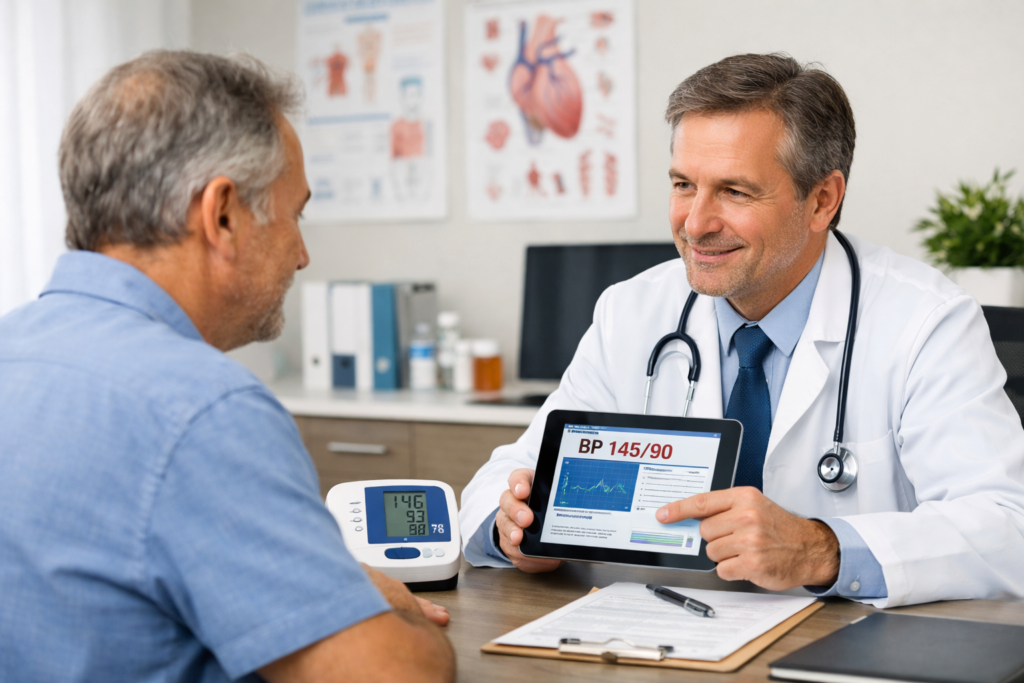
After evaluating your condition, your doctor will create a care plan based on your blood pressure readings, symptoms, medical history, and overall health. The goal is not only to lower your blood pressure but also to identify any underlying causes and prevent long-term complications such as heart disease, kidney damage, or stroke.
Additional Testing and Monitoring
In many cases, your doctor may recommend further diagnostic testing to better understand your health. This can include blood work and other diagnostic evaluations through lab services. These tests help check cholesterol levels, kidney function, blood sugar levels, and other markers that may contribute to high blood pressure.
Sometimes doctors also ask patients to monitor their blood pressure at home for a few weeks. Keeping a daily record of your readings helps your healthcare provider determine whether the condition is persistent or influenced by temporary factors like stress, caffeine, or lack of sleep.
Treatment and Supportive Therapies
Depending on your condition, your doctor may recommend lifestyle changes, medication, or supportive treatments. Some patients who experience dehydration, fatigue, or related health issues may benefit from supportive care such as IV fluid therapy to help stabilize their condition and improve hydration levels.
Doctors may also recommend nutrition guidance, weight management strategies, and stress reduction techniques to support long-term blood pressure control.
Follow-Up Appointments
Managing high blood pressure usually requires ongoing care. Your doctor will likely schedule follow-up visits to track your progress and adjust treatment if necessary. These appointments allow healthcare providers to monitor whether medications or lifestyle changes are effectively lowering your blood pressure.
Preventive care services, such as routine checkups, vaccinations, and health screenings, may also be recommended to help maintain overall wellness.
Post-Acute and Recovery Care
In some situations—especially if high blood pressure has contributed to other serious health problems—patients may require additional recovery support. This can include care through post-acute care services, which are designed to help patients transition from hospital treatment to stable daily living.
For example, some individuals may benefit from home care visits where healthcare professionals monitor recovery and provide medical support at home. Others who need more structured medical supervision may receive care through skilled nursing care.
These services ensure that patients recovering from complications or related health issues continue receiving professional support while improving their health and independence.
Creating a Long-Term Health Plan
Before leaving the appointment, your doctor will typically discuss a long-term plan for managing your blood pressure. This may include medication schedules, recommended lifestyle changes, dietary adjustments, and regular monitoring. Following this plan closely can significantly reduce the risk of complications and help you maintain healthy blood pressure levels over time.
FAQs
When should high blood pressure be considered an emergency?
Hypertension becomes an emergency when readings reach 180/120 mmHg or higher, especially with symptoms like chest pain, shortness of breath, vision changes, or severe headache. Immediate medical attention is required.
What are the early vs severe symptoms of high blood pressure?
Early-stage Hypertension usually has no symptoms. In severe cases, symptoms may include headaches, dizziness, chest pain, blurred vision, or difficulty breathing.
How do doctors confirm a hypertension diagnosis?
Doctors diagnose Hypertension using multiple blood pressure readings taken on different days. They may also recommend home monitoring or 24-hour ambulatory testing for accuracy.
Can high blood pressure cause long-term organ damage?
Yes, uncontrolled Hypertension can damage the heart, kidneys, brain, and eyes over time, increasing the risk of heart attack, stroke, and kidney failure.
What is the best way to monitor blood pressure at home?
Use a validated digital monitor, measure at the same time daily, sit in a relaxed position, and avoid caffeine or stress before checking. Regular tracking helps manage Hypertension effectively.