

Why follow-up care matters after lung infections
You’re breathing normally again.
No coughing fits. No chest heaviness. No antibiotics left on the table.
By all accounts, you’re “better.”
So when your doctor recommends a follow-up visit after your lung infection, your first thought might be: Do I really need this? After all, you feel fine. You’re back to work. Back to routine. Back to normal life.
That reaction makes sense—but it’s also where many people get lung recovery wrong.
Because with lung infections, feeling better and being fully healed are not always the same thing.
Why Follow-Up Care Matters After Lung Infections
You’re finally feeling better.
The cough is gone. Your breathing feels normal again. You’ve finished your medications and life feels back on track.
So when your doctor says, “Let’s schedule a follow-up,” it’s fair to wonder—why now?
If everything feels fine, what’s left to check?
Feeling better doesn’t always mean your lungs are fully healed
When you’ve had a lung infection—like pneumonia or bronchitis—your body often gives you relief before it gives you full recovery. The fever settles. The chest tightness fades. Daily activities feel easier again.
But inside your lungs, healing may still be happening quietly.
Inflammation can linger. Airways may still be sensitive. Lung tissue takes time to return to normal, especially after a moderate or severe infection. This is why doctors often recommend a follow-up visit or repeat evaluation, similar to how routine wellness exams help confirm overall health even when nothing feels wrong.
Why doctors recommend follow-up even when symptoms are gone
Symptoms are loud. Healing is not.
Follow-up care allows your provider to confirm that:
- The infection has fully cleared
- There’s no remaining fluid or inflammation
- Your breathing and oxygen levels are back to baseline
Sometimes this includes a simple check-up or basic lab services. Other times, it’s just a conversation that ends with reassurance—and that reassurance matters.
Skipping follow-up doesn’t always cause immediate problems, but it can allow small, silent issues to grow into bigger ones later.
What follow-up care usually looks like (and what it doesn’t)
Many people assume follow-up means more medication or bad news. In reality, it’s often brief and straightforward.
Depending on your case, follow-up may involve:
- A short visit to review how you’re feeling
- A repeat chest X-ray if one was abnormal before
- A quick check of breathing or oxygen levels
- Confirming it’s safe to stop certain medications
For patients recovering from more serious infections or hospital stays, follow-up may also connect them with supportive services like post-acute care services or even home care visits if extra recovery support is needed.
Some people should never skip follow-up
Follow-up is especially important if you:
- Were hospitalized for a lung infection
- Are over 50
- Have asthma, COPD, diabetes, or heart disease
- Smoke or used to smoke
- Still feel unusually tired or winded
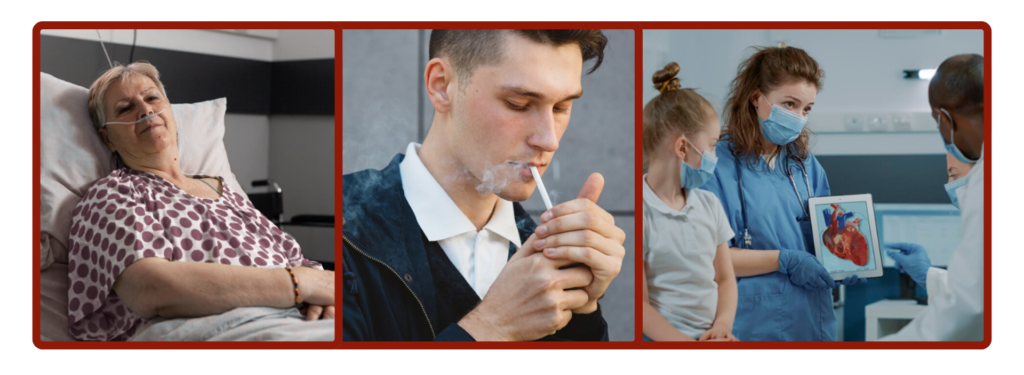
In these cases, follow-up isn’t about caution, it’s about prevention and protecting long-term lung health.
Prevention doesn’t stop when the infection ends
Recovery is also a good time to talk about prevention. Your provider may review:
- Vaccination status, including flu or pneumonia vaccines through vaccination services
- Lifestyle factors that affect lung health
- When to return if symptoms reappear
This kind of guidance helps reduce the risk of repeat infections and keeps small issues from becoming recurring problems.
Follow-up is how you close the chapter properly
It’s normal to want to move on. Appointments take time, and when you feel better, they can feel unnecessary. But follow-up care isn’t about extending illness. It’s about confirming recovery.
Just like ongoing care after other medical conditions discussed in our health blog category, follow-up after a lung infection ensures your body has truly healed—not just adjusted.
Frequently Asked Questions
Can a lung infection be cured completely?
Yes, most lung infections can be fully cured. Symptoms may improve before lungs are fully healed. Follow-up ensures complete recovery.
How can I improve lung health after an infection?
Stay active, practice deep breathing, eat well, stay hydrated, and avoid smoking. Follow-up visits help track your progress.
What are the signs of respiratory distress?
Shortness of breath, rapid breathing, chest tightness, or bluish lips are warning signs. Seek medical care immediately if they occur.
What are five benefits of deep breathing?
Deep breathing improves oxygen flow, clears airways, strengthens lungs, reduces stress, and boosts endurance. A few minutes daily helps recovery.
What are the long-term effects of pneumonia?
Some may experience fatigue, persistent cough, or reduced lung capacity. Follow-up care can catch these early and support full recovery.